
Online Therapist For Anxiety Disorder in Massachusetts
A Supportive Space to Ease Social Anxiety and Feel More Like Yourself
If interactions, conversations, or social situations have started to feel draining or intimidating, working with an online social anxiety therapist can help you move at a calmer, steadier pace.
Together, we’ll explore what makes these moments difficult, build tools to help you feel more grounded, and create space for genuine confidence to grow. ¡You’re welcome to schedule a free consultation with me so we can gently talk through what you’re experiencing!
Now accepting Maine clients to waitlist. Click ‘book now’ to schedule a free phone consultation.



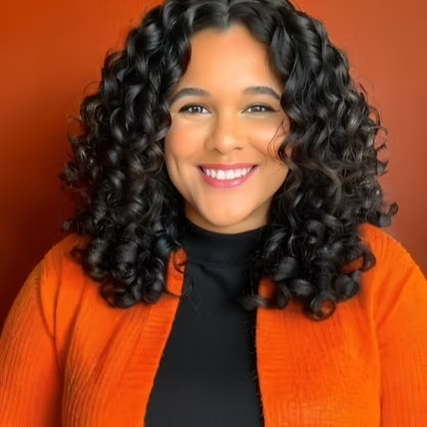
ABOUT ME
Stefani Rosado (She, Her)
I provide flexible online therapy for adults in Massachusetts and Maine who want to better understand and ease the impact of social anxiety. My approach centers on compassion and evidence-based practices, helping you navigate the worry, self-doubt, and tension that appear in social situations. Together, we’ll explore what makes connection feel challenging and build strategies that help you feel more supported and steady in your everyday interactions.
Each session takes place online in a private, comfortable environment that adjusts to your schedule. You deserve a space where you can talk openly, move at a pace that feels right, and gradually build confidence—without the stress of travel or rigid appointments. My goal is to help you feel safer in yourself and more at ease around others, one step at a time.
Types of social anxiety I work with
Anxiety can show up in many different ways. Understanding the specific type of anxiety you’re experiencing is the first step toward finding the right tools and support to manage it.
Generalized Social Anxiety Disorder
This is the most common form. It involves anxiety across many social situations: meeting new people, being observed, small talk, group settings, or everyday interactions. The fear is broad and shows up in multiple parts of daily life.
Performance Social Anxiety
Anxiety appears mainly during situations where you feel evaluated: public speaking, presentations at work, performing in front of others, or being the center of attention. Outside these moments, social interactions may feel more manageable.
Interaction-Focused Social Anxiety
This involves fear related to conversations themselves: saying the wrong thing, running out of things to say, appearing awkward, or being judged during one-on-one or small-group interactions.
Situational Social Anxiety
Anxiety that appears in very specific contexts: for example, dating, workplace interactions, meeting authority figures, or joining new groups. Outside these contexts, the person may feel comfortable socially.
Other
Social anxiety doesn’t always fit neatly into one category. Some people experience a mix of symptoms, unique triggers, or patterns shaped by personal history or identity. Therapy can help you explore how social anxiety shows up specifically in your life.
When It’s Time to Seek Help?
While everyone experiences social anxiety differently, certain emotional, behavioral, and physical signs can signal that it may be time to reach out for support:
Emotional and Behavorial Symptoms
- When fear of judgment, embarrassment, or saying the “wrong” thing becomes persistent.
- When worry about social situations starts days or even weeks before they happen.
- When you feel a strong sense of shame, self-doubt, or insecurity during or after interactions.
- When you begin avoiding conversations, gatherings, or situations where you might need to speak.
- When work, relationships, or daily routines feel difficult because social contact feels overwhelming.
- When you rely heavily on preparation, rehearsing, or staying silent to get through interactions.
- When you notice increasing isolation or withdrawal from people you care about.
Physical Symptoms
- When your body reacts strongly in social situations (e.g., heart racing, sweating, shaking, or feeling frozen).
- When you experience tension, nausea, or dizziness connected specifically to social interactions.
- When your energy drops significantly before or after social events due to anxiety.
- When you notice sudden warmth or flushing in your face or neck during social interactions, especially when you feel watched or evaluated.
- When your voice becomes shaky, tense, or hard to control in situations where you need to speak, even briefly.
How to Tell the Difference Between Shyness and Social Anxiety
Shyness and social anxiety can look similar on the surface, but they’re not the same. Shyness is a personality trait — a natural tendency to feel a bit reserved or cautious around new people. While it may bring some initial discomfort, it usually fades as you warm up to a situation, and it doesn’t significantly interfere with your daily life or relationships.
Social anxiety, however, goes deeper. It involves an intense fear of being judged, embarrassed, or negatively evaluated in social or performance situations. This fear often leads to avoiding conversations, overthinking interactions long after they’re over, or feeling overwhelmed in everyday social settings. Unlike shyness, social anxiety can make it hard to express yourself, connect with others, or participate fully in work, school, or relationships.
If you’re unsure which one fits your experience, a social anxiety therapist can help you explore your symptoms with care and clarity and offer support regardless of where you fall on that spectrum.
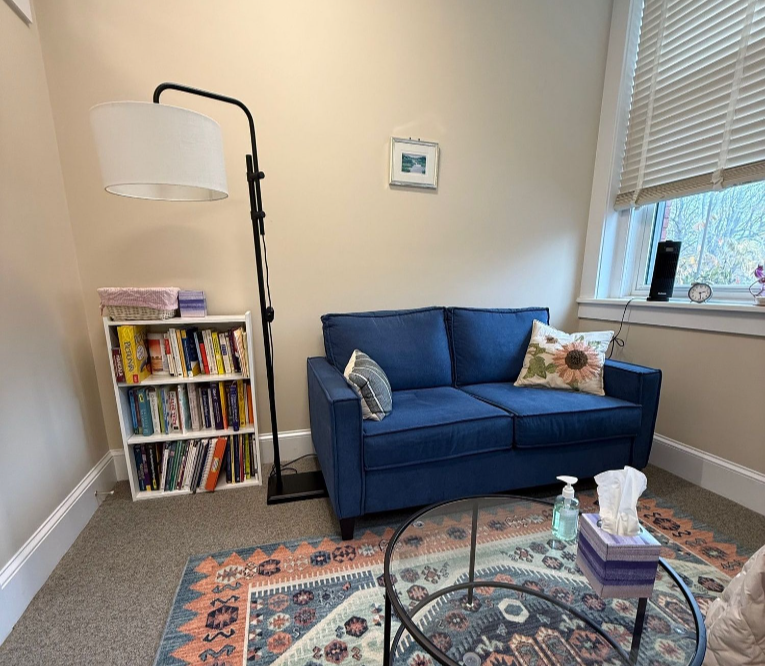
What You Can Gain From Social Anxiety Therapy Online
Therapy for social anxiety offers a supportive space to understand your fears, build confidence, and learn practical tools that make social situations feel less overwhelming. Working with a social anxiety therapist can help you move toward interactions that feel calmer, more authentic, and more manageable.
What you may gain:
- Greater confidence in conversations and social situations that once felt intimidating.
- Tools to calm your body’s anxiety responses, such as racing heart, sweating, or tension.
- The ability to challenge self-criticism, fear of judgment, and unhelpful beliefs.
- More comfort expressing yourself without rehearsing or overthinking every word.
- Reduced avoidance and more freedom to participate in relationships, work, or daily activities.
- A clearer understanding of your triggers and how to navigate them with steadiness.
- A stronger sense of self and the ability to show up authentically around others.
FEES & ACCEPTED INSURANCES
I am in-network with:
 AetnaBlue Cross Blue Shield (Anthem & MA plans) Optum / United Healthcare Point32 Healthcare Optum (Oxford, Oscar) Cigna Carelon Behavioral Health
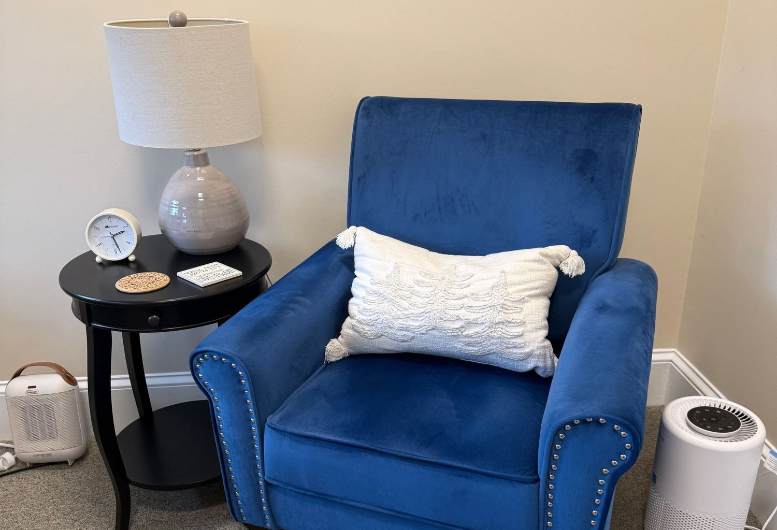
Out of pocket fees
Out of network and interested in paying out of pocket?
- Initial intake session fee: $200
- Follow up sessions: $150
Have any further questions about insurance/fees? Reach out to me below.
Why Choose Stefani Rosado Therapy?
My work is rooted in genuine care, steady presence, and a collaborative approach. I connect with each client in a way that honors their pace and creates a space where they feel truly understood, supported, and accepted.
My approach integrates evidence-based treatment for social anxiety with mindfulness and gentle self-awareness practices. Together, we explore the moments that make social interactions feel tense or intimidating, work through the beliefs that fuel fear of judgment, and build practical tools that help you feel more grounded and confident in your daily life.
With years of experience offering online therapy for social anxiety across Massachusetts and Maine, I’m committed to providing a space that feels warm, safe, and free of criticism. My goal is to help you understand your emotions, strengthen your inner resilience, and navigate social situations with greater ease, clarity, and self-trust.
Testimonials in Massachusetts
Here’s what some of my clients have said about their experience working with me in therapy. *
Names have been changed to rotect the privacy/confidentiality of clients*
FAQs
Can online therapy for social anxiety be as effective as in-person sessions?
Yes. Many clients find that working with a therapist for social anxiety online feels just as supportive, especially since they can meet from a place where they feel comfortable and safe.
Do I need a diagnosis to start therapy for social anxiety?
Not at all. You don’t need a formal diagnosis to begin working with a social anxiety disorder therapist: curiosity or concern about your symptoms is enough.
Can therapy help if my social anxiety shows up only in certain situations?
Yes. Whether your anxiety appears during public speaking, meeting new people, workplace interactions, or dating, a social anxiety therapist can help you navigate those specific challenges.
What if I’m nervous about talking to someone about my social anxiety?
This is extremely common. A therapist specializing in social anxiety understands how challenging opening up can be and will help you move at a pace that feels safe.
Can online therapy help with physical symptoms like blushing, shaking, or racing heart?
Yes. Therapists for social anxiety teach grounding and regulation skills that can reduce the intensity of physical symptoms during social interactions.
What if I’m worried I’m “overreacting” and my anxiety isn’t serious enough?
You don’t need to reach a crisis point to seek help. If social situations feel harder than they used to, meeting with an online therapist for social anxiety can offer clarity, support, and practical tools.
Can online therapy for social anxiety help with workplace challenges?
Absolutely. A therapist for social anxiety can support you with meetings, presentations, teamwork, and communication that may feel overwhelming.
How long is each session?
Each teletherapy session lasts about 53 minutes. You’ll meet with me through a secure, HIPPA compliant Telehealth platform.
How often will we meet?
Most clients begin with weekly sessions. My virtual therapy services can adapt to your schedule, whether you prefer weekly or biweekly meetings with your Massachusetts therapist.
How much does anxiety online therapy cost?
I accept several insurance plans for online therapy sessions: Aetna, Blue Cross Blue Shield (Anthem & MA plans), Optum / United Healthcare, Point32 Healthcare, Optum (Oxford, Oscar), Cign and Carelon Behavioral Health.
If you prefer not to use insurance, private-pay options are also available: the initial intake session fee is $200 and the follow up sessions: $150.