
Online Therapist For Panic Attacks in Massachusetts
A Calming Space to Navigate Panic Attacks and Feel Steadier Again
If sudden waves of fear, physical overwhelm, or intense anxiety have started interrupting your life… I can help you regain a sense of control and steadiness. Together, we’ll slow things down so you can understand what’s happening in your body and mind during those frightening moments.
In our sessions, we’ll explore the patterns and triggers behind your panic, learn tools to help you ground yourself quickly, and create strategies that support long-term relief. You’re invited to schedule a free consultation with me so we can talk gently about what you’ve been experiencing and what kind of support might help you feel safer and more settled.
Now accepting Maine clients to waitlist. Click ‘book now’ to schedule a free phone consultation.



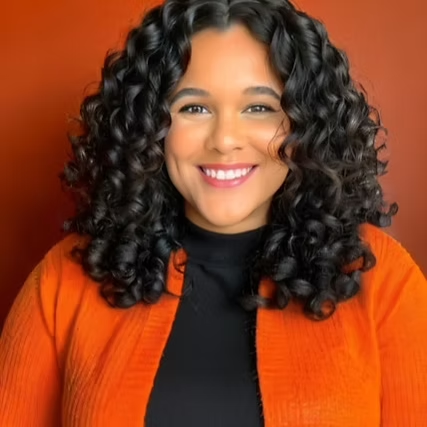
ABOUT ME
Stefani Rosado (She, Her)
I offer flexible online therapy for adults in Massachusetts and Maine who want to understand and reduce the impact of panic attacks. My approach is grounded in compassion and evidence-based techniques, helping you navigate the sudden fear, intense physical sensations, and uncertainty that can make panic feel so overwhelming. Together, we’ll take a closer look at what triggers these episodes and develop practical tools that help you feel more steady, supported, and in control.
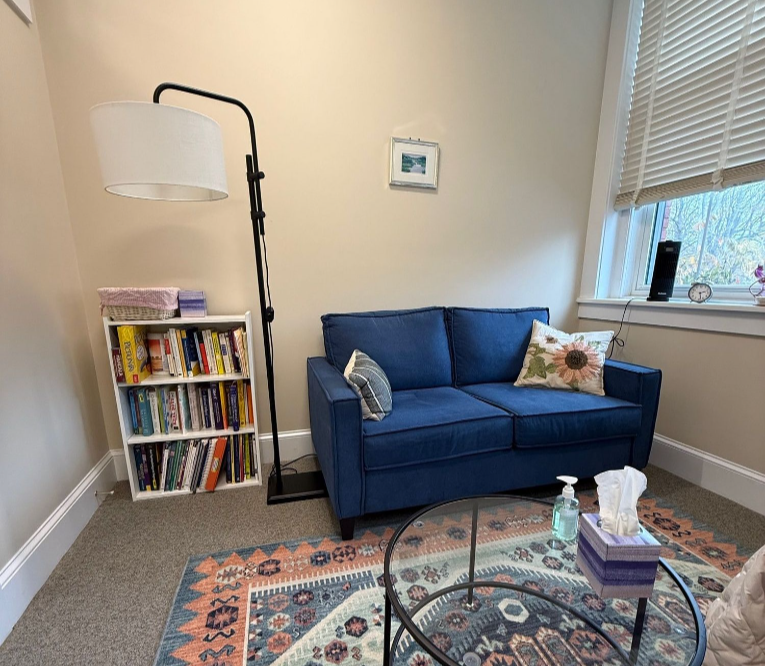
Each session happens online in a private, calming space that adapts to your schedule. You deserve a place where you can speak freely, move at a pace that feels manageable, and gradually build a sense of safety within your body and mind—without the pressure of travel or rigid appointments. My goal is to help you feel more secure, more grounded, and more capable of handling moments of panic as they arise.
Types of Panic Attacks I work with
Panic attacks can show up in different ways, and understanding the type you’re experiencing can make the process of healing feel less confusing and more manageable. While each person’s experience is unique, therapists often describe several common types of panic attacks that can help you make sense of your symptoms.
Expected (Cued) Panic Attacks
These occur in response to a specific trigger, for example, crowded places, driving, medical environments, or situations that have caused panic before. Your body reacts because it anticipates danger, even if the situation isn’t truly unsafe.
Unexpected (Uncued) Panic Attacks
These happen suddenly and without a clear reason. You may feel fine one moment and overwhelmed the next. Because they seem to come “out of nowhere,” they often lead to fear of future attacks.
Nocturnal Panic Attacks
These panic attacks wake you up from sleep with intense fear, a racing heart, or difficulty breathing. They can happen even when you weren’t anxious before falling asleep, making them especially confusing and frightening.
Panic Attacks Linked to Other Anxiety Disorders
Some people experience panic as part of social anxiety, specific phobias, generalized anxiety, or PTSD. In these cases, panic episodes show up alongside other anxiety symptoms or fears.
Others
Panic can look different for everyone. Some people experience strong physical symptoms with little fear, while others feel overwhelming dread with minimal physical effects. A therapist for panic attacks can help you understand how panic shows up uniquely for you.
When It’s Time to Seek Help?
Even though panic can show up uniquely for everyone, there are signs that may suggest it’s the right moment to seek support:
Emotional and Behavorial Symptoms
- When fear of having another panic attack starts shaping your choices or daily routines.
- When you avoid places, situations, or activities because you’re worried a panic attack might happen.
- When you feel constantly on edge, waiting for the next episode.
- When panic or intense fear makes work, relationships, or everyday life feel harder to manage.
- When you replay past panic episodes or worry excessively about possible triggers.
- When reassurance from others no longer reduces your fear or uncertainty.
- When you feel disconnected from yourself or overwhelmed by a sense of dread during episodes.
Physical Symptoms
- When you experience strong physical reactions like a racing heart, chest tightness, trembling, or shortness of breath.
- When dizziness, nausea, or feelings of losing control appear suddenly and intensely.
- When panic symptoms wake you up at night or disrupt your sleep.
- When your body feels overwhelmed by sensations that seem “out of the blue” or out of proportion to the situation.
- When recurring physical symptoms make you worry something is medically wrong, even after being cleared by a doctor.
Difference Between a Panic Attack and an Anxiety Attack
Although the terms panic attack and anxiety attack are often used interchangeably, they describe two different experiences. A panic attack usually appears suddenly and reaches peak intensity within minutes. It often involves strong physical sensations, such as a racing heart, chest tightness, dizziness, shaking, or shortness of breath, and can create a sense of losing control or fear that something dangerous is happening.
An anxiety attack, on the other hand, tends to build more gradually. Instead of an abrupt surge of fear, anxiety attacks often involve ongoing worry, tension, restlessness, or a feeling of being overwhelmed. The symptoms are usually less intense but can last much longer, sometimes hours or even days.
Both experiences can feel frightening, and many people struggle to tell them apart. If you’re unsure which one you’re facing, a therapist for panic attacks can help you understand your symptoms and find the most supportive path forward.
The Panic Cycle
- A sensation appears: your heart speeds up, your chest feels tight, or you notice a rush of adrenaline.
- Your mind interprets the sensation as danger, even if nothing threatening is happening.
- Fear increases, and you begin worrying something is wrong: “What if this gets worse?”
- Your body reacts to that fear, creating more physical symptoms like dizziness, shaking, or shortness of breath.
- The symptoms intensify, which makes the fear feel even more real.
- Panic peaks quickly, often within minutes, leaving you overwhelmed and scared.
- You start to fear the sensations themselves, not just the situations where they happen.
- Avoidance develops, as you try to prevent future attacks by avoiding places, tasks, or situations that feel risky.
- The cycle repeats, because the fear of another panic attack keeps your body on high alert.
Understanding the cycle is the first step toward breaking it. I can help you learn how to interrupt these moments with tools that bring your body and mind back to steadiness.
What You Can Gain From Panic Attack Therapy Online
Therapy for panic attacks offers a space where you can understand what’s happening in your body and mind during moments of overwhelming fear. Working with me can help you learn grounding skills, explore the triggers behind your episodes, and build strategies that reduce both the frequency and intensity of panic.
What you may gain:
- Practical grounding tools to help you calm your nervous system in moments of sudden fear.
- Strategies to reduce the frequency and intensity of panic episodes over time.
- Greater confidence in your ability to manage symptoms without feeling overwhelmed.
- Relief from the constant worry about when the next panic attack might occur.
- The ability to return to activities you’ve been avoiding, such as driving, social situations, or going out alone.
- A stronger sense of emotional steadiness and safety within yourself.
- Improved daily functioning, including at work, in relationships, and in routine tasks.
- Long-term skills that help you feel more in control, grounded, and resilient.
FEES & ACCEPTED INSURANCES
I am in-network with:
 AetnaBlue Cross Blue Shield (Anthem & MA plans) Optum / United Healthcare Point32 Healthcare Optum (Oxford, Oscar) Cigna Carelon Behavioral Health
Out of pocket fees
Out of network and interested in paying out of pocket?
- Initial intake session fee: $200
- Follow up sessions: $150
Have any further questions about insurance/fees? Reach out to me below.
Why Choose Stefani Rosado Therapy?
My work is grounded in compassion, steadiness, and a deeply supportive approach. I meet each person with patience and understanding, creating a space where you can show up exactly as you are and feel genuinely cared for throughout the process.
My approach combines proven, evidence-based treatment for panic attacks with calming mindfulness and body-awareness practices. Together, we’ll unpack what makes panic episodes feel so intense, explore the thoughts and sensations that fuel your fear, and build practical tools that help you feel more in control and safer in your own body.
With years of experience providing online therapy for panic attacks to clients across Massachusetts and Maine, I’m dedicated to offering a space that feels calm, safe, and completely judgment-free. My goal is to help you understand your experiences, strengthen your inner stability, and move through moments of panic with greater confidence, clarity, and trust in yourself.
Testimonials in Massachusetts
Here’s what some of my clients have said about their experience working with me in therapy. *
Names have been changed to rotect the privacy/confidentiality of clients*
FAQs
What causes panic attacks?
Panic attacks can stem from a mix of factors: stress, genetics, past experiences, sensitivity to physical sensations, or fear-based thinking patterns.
Do I need a diagnosis to start therapy for panic attacks?
No diagnosis is needed. Many people begin therapy simply because they feel overwhelmed, confused, or unsure about what’s happening in their body. A therapist for panic attacks will help you understand your symptoms, whether or not they meet diagnostic criteria, and offer support tailored to your needs.
Can panic attacks happen without a trigger?
Yes. When panic attacks happen suddenly and without a clear cause, they’re known as unexpected or uncued panic attacks. These can be especially frightening because they feel unpredictable.
Are panic attacks dangerous?
Panic attacks feel extremely frightening, but they’re not harmful or life-threatening. The physical sensations come from your body’s alarm system being activated too strongly. A panic attack therapist can help you understand the science behind these sensations and learn ways to calm your nervous system so the experience becomes less overwhelming.
Can panic attacks be connected to other anxiety disorders?
Absolutely. Panic attacks can appear alongside social anxiety, phobias, generalized anxiety, or trauma. Understanding this connection can help you see the bigger picture of what your body and mind are responding to. Your therapist will help you navigate all the layers involved.
How long does it take to see improvement?
Everyone’s path is different. Some people notice fewer or less intense panic attacks within a few weeks, while others benefit from longer-term support to address deeper patterns. Progress often includes feeling more in control, less afraid of future attacks, and more confident in managing symptoms.
How long is each session?
Each teletherapy session lasts about 53 minutes. You’ll meet with me through a secure, HIPPA compliant Telehealth platform.
How often will we meet?
Most clients begin with weekly sessions. My virtual therapy services can adapt to your schedule, whether you prefer weekly or biweekly meetings with your Massachusetts therapist.
How much does anxiety online therapy cost?
I accept several insurance plans for online therapy sessions: Aetna, Blue Cross Blue Shield (Anthem & MA plans), Optum / United Healthcare, Point32 Healthcare, Optum (Oxford, Oscar), Cign and Carelon Behavioral Health.
If you prefer not to use insurance, private-pay options are also available: the initial intake session fee is $200 and the follow up sessions: $150.